Common Koi Diseases To Watch Out For
Apr 19th 2024

Apr 19th 2024
Koi are among the most expensive fish bred today, so learning to spot common koi diseases early is the best way to keep your collection healthy. The most frequent culprits are ich, chilodonella, and carp pox, along with fin rot, dropsy, and parasitic worms. Most of these problems trace back to poor water quality and stress, which weaken a koi's immune system. Below we cover the symptoms, causes, and treatment for each condition so you can act fast, and if you are unsure, watch for the warning signs that your koi are ill before the issue spreads.
Most koi diseases start with poor water quality. When ammonia, nitrite, or nitrate climb, or oxygen and temperature swing, koi become stressed and their immune systems drop, which lets parasites, bacteria, and viruses take hold. Overcrowding, uneaten food, and newly added fish that were not quarantined make it worse. The takeaway is simple: stable, clean water prevents the majority of the illnesses covered on this page. Test regularly, keep filtration running, and address any spike quickly to stop small problems from becoming an outbreak.
Ich is one of the most common koi diseases and shows up as tiny white, salt-like spots scattered across the body and fins. It attacks the gills, so infected koi may breathe rapidly, flash or scratch against surfaces, clamp their fins, and grow lethargic.
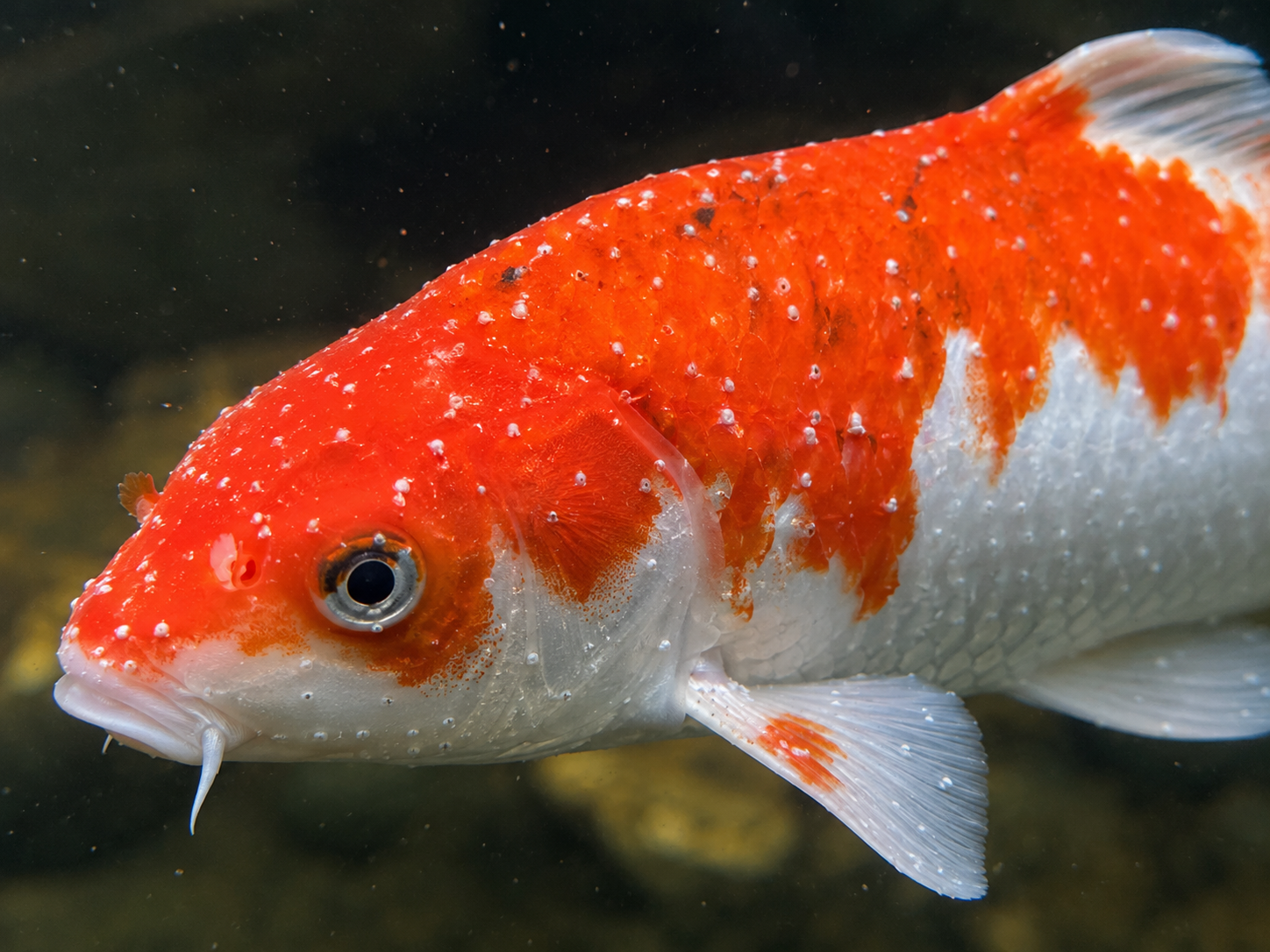
White pinhead spots on the body and fins, rapid gill movement, flashing or scratching, clamped fins, and loss of appetite.
Raise the pond's salt level gradually, up to a maximum of 0.4 percent, while keeping pumps elevated so salt does not settle. Raising the water temperature speeds the parasite through its life cycle and makes treatment more effective. Add salt carefully, because too much can harm pond plants.
Chilodonella is a saucer-shaped parasite that produces lesions along a koi's skin that resemble spider webs. In smaller koi it causes gill damage, while larger koi become irritated and scratch themselves, which can lead to cuts and secondary infections.
Web-like lesions on the skin, a dull or cloudy slime coat, flashing and scratching, and labored breathing when the gills are affected.
This parasite is readily treatable by adding salt to the pond. Keep water quality high during treatment and watch closely for any secondary infections in koi that have scratched themselves raw.
Carp pox is caused by a viral pathogen, and affected koi display lesions that resemble waxy warts on the skin and fins. As with most viral diseases, there is no cure, but it is rarely fatal and often fades on its own.
Smooth, waxy, wart-like growths on the skin and fins that are usually more visible in cooler water.
Because there is no cure, focus on strong water quality and warmer temperatures, which help koi suppress the virus. Quarantine affected fish where possible and avoid stressing them, since healthy, low-stress koi typically clear the lesions over time.
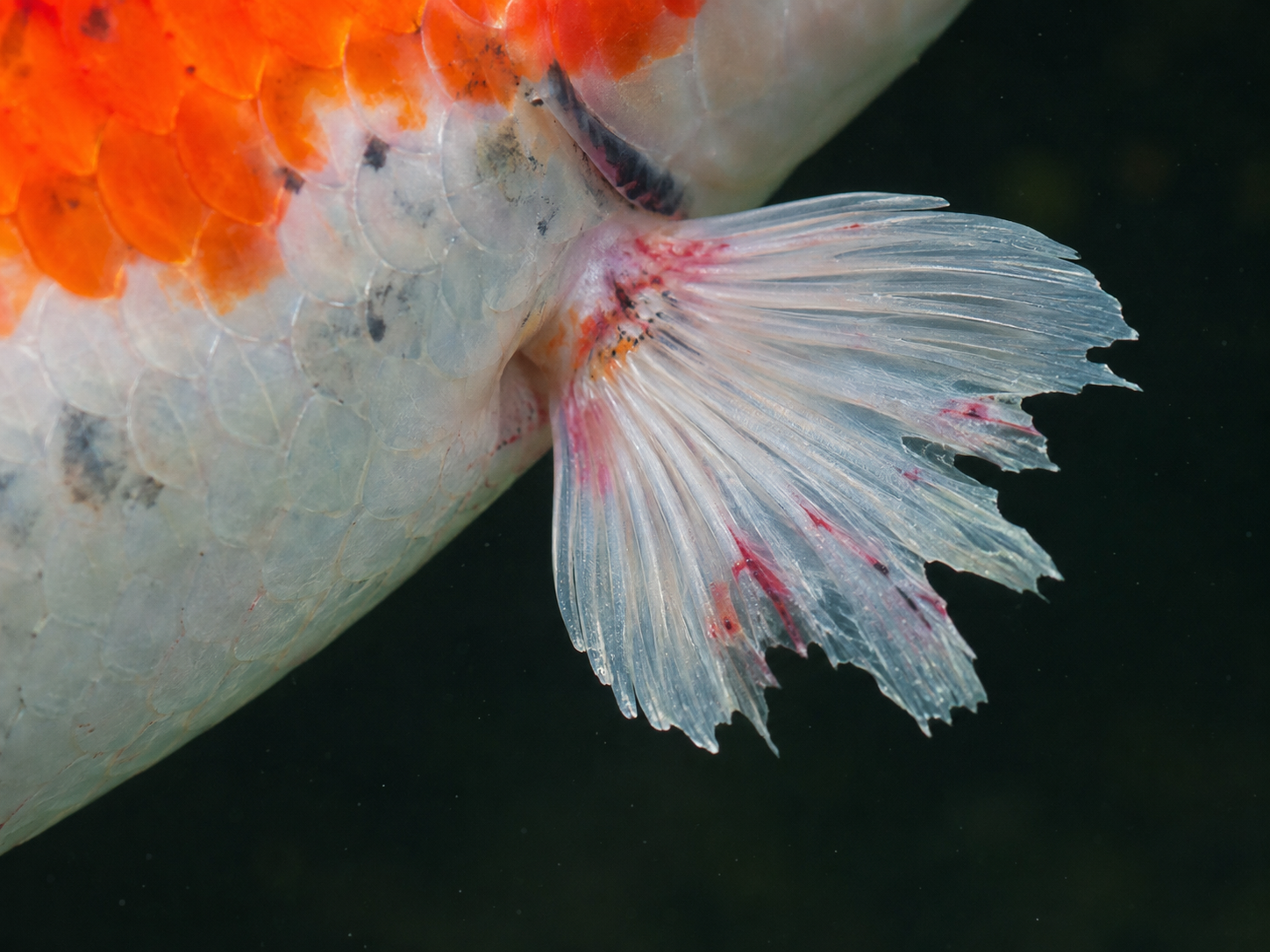
Beyond ich, chilodonella, and carp pox, a few other conditions are worth knowing:
Prevention is far easier than treatment, and nearly all of it comes back to water and stress:
Most koi diseases can be handled at home with clean water and careful salt treatment, but some cases call for expert help. Contact a fish health specialist or aquatic veterinarian if symptoms persist after you have corrected the water quality and treated with salt, if several fish are affected at once, or if you see signs of advanced illness such as dropsy, deep ulcers, or heavy, rapid breathing. A professional can run gill and skin scrapes to pinpoint the exact parasite or infection and prescribe targeted medication, which is often the difference between saving a valued koi and losing it.
| Hours | |
|---|---|
| sunday | 10:00 AM - 4:00 PM |
| monday | Closed |
| tuesday | 10:00 AM - 5:00 PM |
| wednesday | 10:00 AM - 5:00 PM |
| thursday | 10:00 AM - 5:00 PM |
| friday | 10:00 AM - 5:00 PM |
| saturday | 10:00 AM - 5:00 PM |
| Hours | |
|---|---|
| sunday | 10:00 AM - 5:00 PM |
| monday | Closed |
| tuesday | 11:00 AM - 6:00 PM |
| wednesday | 11:00 AM - 6:00 PM |
| thursday | 11:00 AM - 6:00 PM |
| friday | 11:00 AM - 6:00 PM |
| saturday | 10:00 AM - 5:00 PM |
| Hours | |
|---|---|
| sunday | 10:00 AM - 4:00 PM |
| monday | Closed |
| tuesday | 10:00 AM - 5:00 PM |
| wednesday | 10:00 AM - 5:00 PM |
| thursday | 10:00 AM - 5:00 PM |
| friday | 10:00 AM - 5:00 PM |
| saturday | 10:00 AM - 5:00 PM |
| Hours | |
|---|---|
| sunday | 10:00 AM - 5:00 PM |
| monday | Closed |
| tuesday | 11:00 AM - 6:00 PM |
| wednesday | 11:00 AM - 6:00 PM |
| thursday | 11:00 AM - 6:00 PM |
| friday | 11:00 AM - 6:00 PM |
| saturday | 10:00 AM - 5:00 PM |
| Hours | |
|---|---|
| sunday | Closed |
| monday | 10:00 AM - 4:00 PM |
| tuesday | 10:00 AM - 4:00 PM |
| wednesday | 10:00 AM - 4:00 PM |
| thursday | 10:00 AM - 4:00 PM |
| friday | 10:00 AM - 4:00 PM |
| saturday | Closed |
| Hours | |
|---|---|
| sunday | 10:00 AM - 4:00 PM |
| monday | Closed |
| tuesday | 10:00 AM - 5:00 PM |
| wednesday | 10:00 AM - 5:00 PM |
| thursday | 10:00 AM - 5:00 PM |
| friday | 10:00 AM - 5:00 PM |
| saturday | 10:00 AM - 5:00 PM |
| Hours | |
|---|---|
| sunday | Closed |
| monday | Closed |
| tuesday | 10:00 AM - 5:00 PM |
| wednesday | 10:00 AM - 5:00 PM |
| thursday | 10:00 AM - 5:00 PM |
| friday | 10:00 AM - 5:00 PM |
| saturday | 10:00 AM - 5:00 PM |
| Hours | |
|---|---|
| Sunday | Closed |
| Monday | Closed |
| Tuesday | 10:00 AM - 5:00 PM |
| Wednesday | 10:00 AM - 5:00 PM |
| Thursday | 10:00 AM - 5:00 PM |
| Friday | 10:00 AM - 5:00 PM |
| Saturday | 10:00 AM - 5:00 PM |
| Hours | |
|---|---|
| Sunday | 10:00 AM - 4:00 PM |
| Monday | Closed |
| Tuesday | 10:00 AM - 5:00 PM |
| Wednesday | 10:00 AM - 5:00 PM |
| Thursday | 10:00 AM - 5:00 PM |
| Friday | 10:00 AM - 5:00 PM |
| Saturday | 10:00 AM - 5:00 PM |